The Loyalty Trap: OpenAI, Disney Adults, Devil Wears Prada, & The World Cup
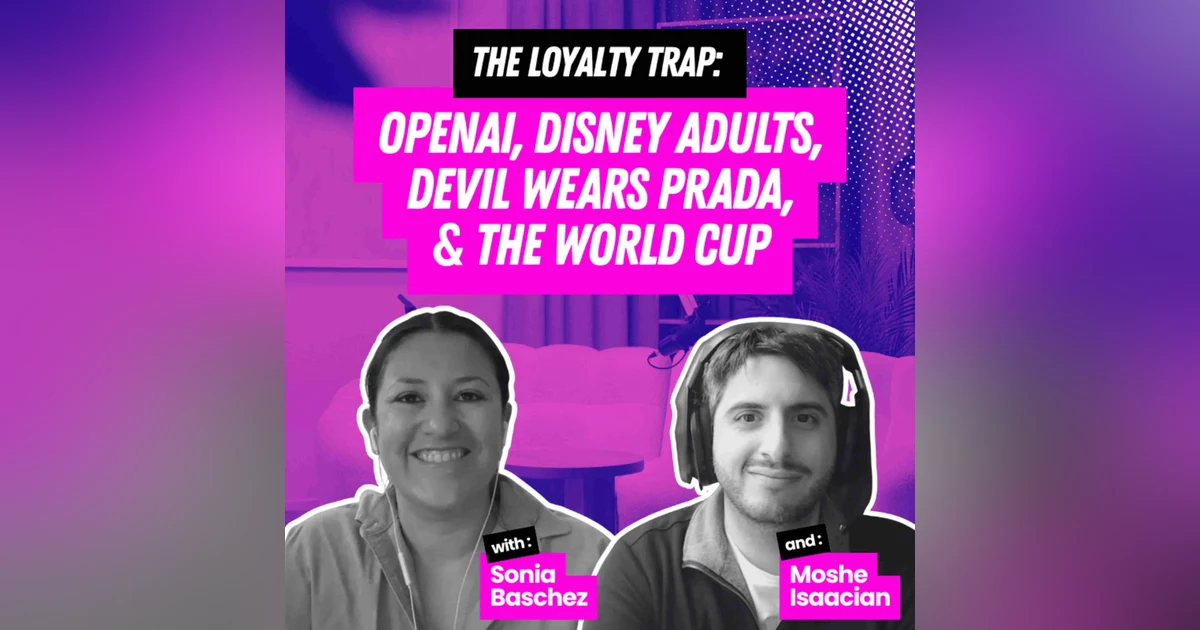


Sonia sits down with Moshe Isaacian, a freelance brand marketing strategist who's worked with Lego, Snapchat, Nike, Toyota, and Epic Games, to break down how companies are talking to their customers in 2025. The big thesis: authenticity wins when CEOs show up like humans, not corporate mouthpieces, and the brands that engineer emotional ecosystems walk a fine line between loyalty and exploitation.
Sam Altman has a new Twitter persona. After the Super Bowl ad disaster and the Anthropic roast, OpenAI bought TBPN and shifted their entire communication strategy. Now Sam is tweeting like an early Twitter founder, doing engagement bait, following people back, and talking about features in short, human sentences. He's leaning into cringe instead of corporate, showing up the same week Anthropic fumbled their coding AI pricing changes. Meanwhile, OpenAI quietly updated their data policy to share user information with marketing partners, formalizing the ad relationships that pissed people off in February. Meta and Mark Zuckerberg are making the same pivot: talking about AI as a tool that helps humans instead of replaces them.
Disney Adults are going into debt. The New Yorker profiled the Disney ecosystem and how they’ve monetized every part of the experience: skipping lines costs extra, airport shuttles aren't free, parking adds up, and limited edition pins bring people back every quarter. The parks change to lean into nostalgia, reverting Star Wars Land from the new sequels back to the original trilogy. But Disney is at an inflection point: when does loyalty turn into exploitation? Right now people blame Disney Adults for overspending, but eventually the backlash could flip toward the company for nickel and diming fans who are psychologically and emotionally attached to the brand.
The 2026 FIFA World Cup starts this summer and brand activations are already rolling out: Budweiser's "Let It Pour" campaign features Erling Haaland and Jürgen Klopp with bottles commemorating cultural moments for each country, Adidas launched dog jerseys for Mexico and Japan fans, and Lay's created a WhatsApp group chat with Messi, Beckham, Guy Fieri, Thierry Henry, Alexia Putellas, and Steve Carell. The WhatsApp play is smart because it mirrors actual fan behavior: group chats across time zones keeping friends connected during games. But this World Cup feels different. FIFA and US organizers are charging for fan transportation, fan parties outside stadiums, and tickets are more expensive than previous tournaments. Fans are starting to feel nickel and dimed, and brands are hesitant to go all in because football is still a smaller audience in America and the event feels temporary.
The Devil Wears Prada sequel marketing is Brand Playbook 3.0. Barbie invited everyone into the universe with pink everything and unlimited collaborations. Wicked did the same but felt like a cash grab. Devil Wears Prada is more curated: Starbucks created drink orders for each character and had interns deliver them, Cerulean blue appeared in real packaging, a podcast featured ex-stylists talking about working behind fashion magazines, and Meryl Streep wore an Old Navy sweatshirt on Colbert as a wink to the "cerulean" monologue. Brands had to compete to be part of this campaign instead of being openly accepted. The challenge: Devil Wears Prada is niche fashion, not a toy with universal appeal like Barbie. The playbook works when it's curated and rewards superfans, but how many more times can studios do this before audiences turn against it?
We're talking about:
OpenAI's communication shift: Buying TBPN, pivoting to "AI helps humans" messaging
Sharing user information with marketing partners the same week Sam is trying to be authentic on Twitter
Disney Adults, Lego and Mattel doing it right: Catering to the kid inside you without gating families out, and why Disney's leadership needs to decide who they're actually serving
2026 FIFA World Cup nickel and diming: charging for fan transportation, fan parties, and higher ticket prices, and why fans feel exploited
Football is still a smaller audience in America, the event feels temporary, and it's hard to justify going all in
Devil Wears Prada sequel marketing
Why this playbook works for female-centered movies: Women make household purchasing decisions, and Hollywood should pay attention to which films drive brand partnerships
When does this playbook reach its shelf life: Barbie did it, Wicked did it, now Devil Wears Prada, and audiences might turn against it if every movie does the same thing
Timestamps
00:00 Sam Altman's new Twitter persona and OpenAI's communication shift
15:00 Disney Adults going into debt and the engineered ecosystem
35:00 2026 FIFA World Cup brand activations and nickel and diming fans
50:00 Devil Wears Prada sequel marketing and Brand Playbook 3.0


